

A collaborative platform between Ministry of Ports, Shipping and Waterways (MoPSW) and The Energy and Resources Institute (TERI)
A collaborative platform between Ministry of Ports, Shipping and Waterways (MoPSW) and The Energy and Resources Institute (TERI)
A collaborative platform between Ministry of Ports, Shipping and Waterways (MoPSW) and The Energy and Resources Institute (TERI)
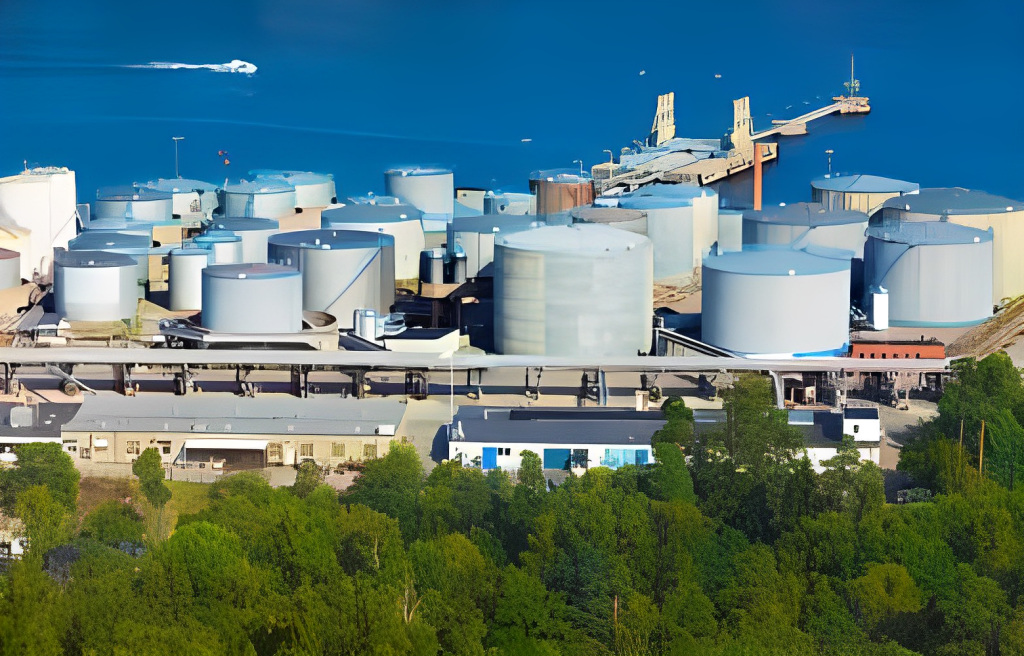
Plants, algae or animal biomass including Farm yard residues, Domestic wastes, and other organic residues can be burned in a controlled way to turn into Bio fuels to meet the needs of massive transport today
Around 85,000 vessels are register including small , medium, large and very large Ocean going ships consuming 330 Mt of fuel a year and accounts for 2-3% of the global CO2, 4-9% of SOx, and 10-15% of NOx emissions.
Most of the oil consumed by Marine sector is less refined when compared to other sectors and it is most commonly used is Heavy Fuel oil (HFO) that is of high viscosity and rich in sulphur content.
The light oils like Marine Diesel oil (MDO) and Marine Gas oil(MGO) which are contained of low sulphur levels are used only in Small vessels operating in inland waterways.
Being the maritime operations International are being regulated by International maritime Organization which has put forth a regulation regarding the fuel sulphur levels duly setting up Emission control areas across Europe, North America and Asia. Within these areas only 0.1% low-sulphur fuels are allowed, and from 2020 ships sailing in non- ECA areas will need to use less than 0.5% sulphur in their fuel, hence as mandatory, 70% of the oils need to be modified or changed. Therefore it is proposed to further refine the respective oils at the refinery which attracts extra cost.
In view of the above, bio fuels being very low in sulphur content are found as good alternative fuel despite the cost is higher than the cost of fossil fuels initially, but son can be provided at competitive price once the market is established completely. In this regard in view of mandate regulations and Government polices focusing on cut short of GHG emissions and carbon foot prints from marine sector, there is a necessity to resolve the logistic and engine technology issues hence there is an urgent call for Bio-fuel producers , Engine Developers , Ship owners, Port operators to take a step forward.
As on today Haldia port is the country’s first major green port. Railway engines, trucks and other vehicles are being run on bio-diesel made at the port. Emami Group has started manufacturing bio-diesel @3 lakh liters per day using palm oil residue at Haldia which is being used in trucks and railway engines. In line with the above TERI shall contribute its expertise for identifying the suitable source material worthy for getting converted into bio-fuel, identification of state of art technology for utilizing for ocean going ships.