The JIT study primarily focuses on the ways to provide timely, accurate and updated information to all relevant stakeholders involved in the shipping operations including the voyaging ships. A lot of fuel and energy is wasted by ships waiting at the port anchorages because to lack of updated information exchange between ships and port.
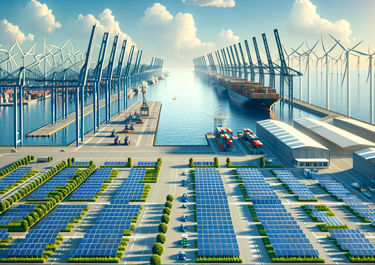
Greening of the operations of the ports and the vessels by 2030/2047, one of the main goals of the Ministry of Shipping and Waterways, has been included in the Harita Sagar Guidelines . Target of achieving 60 % RE by 2030 is set as per the guidelines of Harit Sagar. According to the environmental regulations of the International Maritime Organization (IMO).
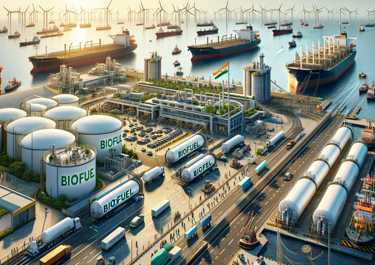
The project would identify suitable biofuels and list related supply chain and logistics issues. It aims to identify blending proportions of biofuels in marine engines and related combustion engines. The greenhouse gas emission characteristics, carbon footprint of the mixtures
Developing a Roadmap for Biofuels for Shipping Sector in India Biofuel
Project 4
The project seeks to develop a white paper where all possible green fuel options for India including (Methanol/DME/Hydrogen/Ammonia/Bio-Diesel/Green Diesel) would be identified. Once identified their availability, cost effectiveness along with feasibility of deployment be mapped along with the assessment of sustainability dimensions related to their production consumption value chain.
Switch from Heavy Fuel Oil (HFO) to Marine Gas Oil (MGO), Marine Diesel Oil (MDO) and low Sulphur distillate fuel oils to meet the 0.50% Sulphur limit. However, availability of IMO 2020 compliant fuels to meet demand and their potentially higher prices compared to HFO pose challenges at present
Proposed Energy Audit in VOC TuticorinPort he main purpose of this energy audit study is to identify energy saving opportunities in VOC Tuticorin Port facility to achieve benefits of reduction in energy consumption in addition to reducing the associated emissions.
MBM- Market-based Mechanisms for Decarbonization in Shipping Sector:
Challenges and Opportunities for India
Project 7
MBMs affect the marginal cost of operation and thereby encourage the industry to either reduce emissions or purchase credits from others to meet the emission reduction targets or remain competitive in the market. The specific design of an MBM affects the competitiveness of the sector differently.